What is an HVAC System and What are its Parts?
What Is An HVAC System?
First and foremost, HVAC stands for heating, ventilation, and air conditioning.
Heating, ventilation, and air conditioning (HVAC) is the technology of indoor and vehicular environmental comfort. Its goal is to provide thermal comfort and acceptable indoor air quality.
“Heating, ventilation, and air conditioning (HVAC) is the technology of indoor and vehicular environmental comfort. Its goal is to provide thermal comfort and acceptable indoor air quality. HVAC system design is a subdiscipline of mechanical engineering, based on the principles of thermodynamics”
Where is HVAC Technology Used?
HVAC technology is used in a wide range of residential, commercial, industrial, and transportation environments to maintain comfortable indoor temperatures, proper ventilation, and healthy air quality.
HVAC systems are commonly installed in residential buildings such as single-family homes, apartments, villas, hotels, and senior living facilities to provide heating and cooling throughout the year. In commercial spaces like offices, shopping malls, hospitals, schools, airports, and skyscrapers, HVAC systems help maintain a comfortable environment for employees, visitors, and customers.
Industrial facilities and manufacturing plants also rely on HVAC technology to control temperature, humidity, and airflow for equipment safety and operational efficiency. In healthcare facilities, HVAC systems play a critical role in maintaining clean air circulation and infection control.
Apart from buildings, HVAC technology is widely used in vehicles such as cars, trains, airplanes, ships, and submarines to ensure passenger comfort and controlled environmental conditions. Marine environments also use advanced HVAC systems to regulate temperature, humidity, and fresh air circulation.
Today, HVAC systems have become an essential part of modern infrastructure, helping improve comfort, energy efficiency, indoor air quality, and overall building performance across different industries.
What are the major functions of an HVAC System?
The three major functions of HVAC are:
- Heating
- Ventilation
- Air Conditioning
All three functions are interconnected, especially when it comes to maintaining thermal comfort, proper airflow, and acceptable indoor air quality while keeping installation, operation, and maintenance costs under control.
HVAC systems are widely used in residential, commercial, industrial, healthcare, and hospitality environments to create a comfortable and healthy indoor atmosphere. These systems help regulate indoor temperature during different weather conditions, remove stale air, control humidity levels, and circulate fresh air throughout the building.
Heating systems are mainly used during colder conditions to maintain a warm indoor environment, while air conditioning helps cool indoor spaces during hot weather. Ventilation plays a crucial role in removing dust, smoke, odors, airborne particles, and excess moisture while maintaining proper airflow inside the building.
Modern HVAC systems also help improve energy efficiency, reduce operational costs, and support sustainable building operations through smart automation and preventive maintenance practices. Proper HVAC maintenance ensures better performance, lower energy consumption, improved equipment lifespan, and fewer unexpected breakdowns.
The process of supplying and removing air within different spaces is commonly known as room air distribution, which helps maintain balanced airflow and indoor comfort across the facility.
What Are the Main Parts of an HVAC System?
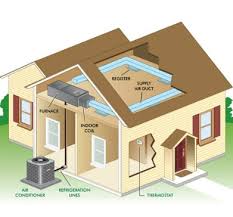
An HVAC system is made up of several important components that work together to provide heating, cooling, ventilation, and indoor comfort. Each part plays a key role in maintaining proper airflow, temperature control, and energy efficiency.
Ducts
Ducts are the channels or pathways through which heated or cooled air travels throughout the building. They help distribute air evenly to different rooms and spaces. Properly maintained ducts improve airflow efficiency and indoor air quality. It is recommended to clean HVAC ducts every 2 to 5 years to remove dust, debris, and allergens that can affect system performance.
Condensing Unit
The condensing unit, also known as the outdoor unit, contains the condenser coil, compressor, and fan. It is usually installed outside the building. This component helps release heat from the refrigerant into the outside air. The compressor converts refrigerant gas into a high-pressure state, while the condenser cools it into a liquid form before sending it back into the system.
Evaporator Coil
The evaporator coil is located inside the indoor unit and helps absorb heat from indoor air. As warm air passes over the coil, the refrigerant inside absorbs the heat and cools the air before it is circulated back into the building.
Thermostat
The thermostat controls the temperature settings of the HVAC system. It helps regulate heating and cooling operations based on the desired indoor temperature.
Air Filters
Air filters help remove dust, dirt, pollen, and airborne particles from the air. Clean filters improve indoor air quality and help the HVAC system operate efficiently.
Blower Fan
The blower fan circulates conditioned air through the duct system and distributes it across the building for consistent airflow and comfort.
HVAC System Components
- Vents- Typically, vents are metal and can be found near the ducts in the ceiling or on the floor. These are rectangular metal parts with air direction control slats.
- Thermostat- The physical unit is tiny and usually within your house, mounted on a wall. This regulates your HVAC system’s heating cooling work.
- Evaporator coil – Evaporator coil is an important part of your air conditioner or heat pump that’s inside your system’s indoor air handler. These are triggered when there is a need for cool air. These are part of the furnace, but are situated outside the unit of the furnace.
- Refrigerant line- It is part of the mechanism of cooling. These are metal (usually aluminum or copper) tubes that bring the liquid back to the condensing device and to the evaporating coil.
- Furnace – This is a large appliance usually stored in a closet or a garage. Furnaces can be one of two types: single-stage or two-stage.
- Heat exchanger – This is inside the furnace and is activated by the thermostat. It is triggered when warm air is needed.
Signs Your HVAC System Needs Maintenance
To know more about how Factech can help you in the Maintenance of the HVAC System through the Kaizen CAFM system. Visit here
Ready to Transform Your Facility Management?
See how Factech automates maintenance, assets, and compliance in one intelligent platform.
Let's Talk
Have questions about our AI-powered solutions? Our team is here to help you digitize your facility operations.