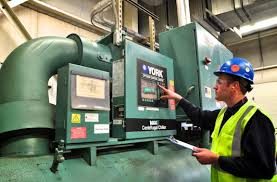
Tips to Prevent Chiller Failures in Large Buildings
Unexpected system failures in corporate buildings make it difficult for tenants to accomplish their jobs. These failures are more expensive to fix. This might generate immediate operational concerns when essential building functions suddenly fail. Core building systems such as HVAC units, electrical infrastructure, elevators, pumps and fire protection installations are kept up by the daily grind. When one goes out it can affect numerous tenants and services at the same time. Chiller failure is one of the common defaults. To prevent chiller failures we need structured maintenance processes, clear asset visibility and continuous operational management. Equipment might fail for preventable reasons, such as poor maintenance, hence proactive management is needed. Facility teams require trustworthy information on system health, service history and vendor performance to be able to detect issues early and schedule corrective actions before disruptions occur.
Modern facility maintenance technologies centralize operational data, automate service schedules, and monitor asset performance across a full property portfolio. Having the right operational framework in place, property owners and facility managers may greatly reduce the chance of serious system outages.
The Common Causes of Chiller Failure
Commercial chillers are very complicated machines that work under a lot of pressure and regular changes in temperature. The first thing that needs to be done to keep them going is to figure out why they break down.
Fouling and Scaling of Tubes
They use internal copper tubes and provide a steady transfer of heat. Water passes through these tubes depositing minerals like calcium, algae, muck and scale. This build up is called tube fouling. Scale is an unwanted layer of insulation and the chiller has to work twice as hard to cool the same volume of air, causing significant thermal strain on the system until it overheats.
Low Pressure & Refrigerant Leaks
The refrigerant is the heart of the cooling cycle. A little break in a joint or a damaged seal can allow refrigerant to leak out slowly. If the amount of refrigerant falls below the usual operating level, the compressor must work harder and faster to match the building thermostat settings. Running a compressor low on refrigerant will result in high oil temps, low pressure trips and eventually a burnt out motor.
Degradation of Electrical Components
Chillers draw huge quantities of electrical current. In the control panels there are contactors, relays, capacitors and circuit breakers which are prone to wear and strain. Single-phasing or short circuits can fry the pricey primary compressor motor in a snap. The single-phasing or short circuits can be caused by loose electrical connections, voltage fluctuations or corroded wiring.
Bad Water Quality and Chemical Imbalance
The water flowing through your evaporator and cooling tower must be chemically treated. If the pH levels, total dissolved solids (TDS) and biocide levels are not examined on a daily basis, the water becomes highly corrosive. The untreated water corrodes the inside metal walls of the pipes creating micro-leaks and structural integrity issues deep within the heat exchanger shells.
Insufficient Lubrication
The main compressor consists of moving parts which are at high speed and need continuous lubrication. If the oil filter is blocked, the oil pump fails or refrigerant migrates into the oil, the mechanical bearings will rub metal on metal. This friction causes high heat, tears up the bearings and seizes the whole compressor.
The Compounding Effects of Chiller Failure on Commercial Buildings
A central chiller failure that occurs unexpectedly is never a small deal. The impact rippled across your whole financial balance sheet and property activities.
Immediate Tenant Disturbance / Loss of Comfort
In a modern commercial high rise, windows don’t open. If the chiller fails on a hot summer day, inside temperatures of the building can rise to 35°C within a few hours. Stifling air, extreme humidity and poor quality indoor air mean corporate renters can’t physically execute their work. This results in quick operational shutdowns, lost production and heated tenant complaints.
Severe Financial Loss & Lease Violations
Most commercial leases have tight Service Level Agreements (SLAs) on building uptime and climate control. Without the ability to restore cooling within a prescribed period of time, corporate tenants may have legal grounds to withhold rent or impose financial fines on the facility manager. Extreme examples of this can be seen when high-profile tenants leave their leases entirely due to ongoing cooling concerns, leading to expensive vacancies.
Sensitive Technical Infrastructure Destruction
Chillers cool people, but they also provide environmental stability to mission-critical equipment such as server rooms, telecom closets and data centers. When the ambient temperature spikes, expensive computer networks and backup power sources automatically shut down to prevent melting. A corporate company’s entire digital business can be brought to its knees by a chiller failure, costing millions in revenue harm and data loss.
High Emergency Repair Charges
The chiller breaks down and you get a hurried emergency call-out that costs tenfold more than ordinary servicing. Specialized HVAC technicians at premium weekend or after-hours labor rates. If the compressor becomes broken, it can take weeks to find a replacement and you will need to rent temporary mobile cooling trailers at an unbelievable monthly expenditure.

Essential Tips to Prevent Chiller Failures
You don’t have to wait for your central cooling system to break down. Create a disciplined, proactive operational routine. You’ll discover minor mechanical anomalies before they become building-wide issues.
Routine Maintenance Checks
Maintenance is important for the performance and longevity of chillers. Schedule seasonal inspections with area building solutions’ expert professionals to catch possible problems before they grow. This involves checking refrigerant levels, inspecting electrical connections and cleaning coils. A well-maintained chiller will run more efficiently and consume less energy, saving on utility expenses in the long run.
Inspect for Leaks and Insulation Issues
Leaks may be devastating on a chiller’s performance since the refrigerant is lost. This leads to inefficiencies and can cause the compressor to fail. Check for refrigerant lines and hose connection leaks on a regular basis. The insulation around these lines should be in good shape, as defective insulation can cause an increase in energy consumption and inefficiencies. Insulation is a quick repair to better performance, especially in high summer demand.
Invest in a Good Quality Control System
A quality control system can assist streamline chiller operations. Smart building technology enables monitoring and control of chiller performance through enhanced controls and sensors. The technology may alert you to abnormalities and allow you to optimize your energy use based on the cooling demand at the moment, so your chillers aren’t over-stressed. Modern control systems are an investment that can pay off in terms of better efficiency and longer equipment life.
Check Airflow
Air-cooled chillers need appropriate airflow to work well. Make sure there is nothing blocking the intake and exhaust fans of the chiller. Clean the surrounding area regularly and inspect the fan blades for dirt and debris, which can impede airflow and diminish cooling performance.
Watch Operating Conditions
Keep a close watch on the working conditions of your chiller. This includes monitoring the temperature difference between the evaporator inlet and outlet as well as the overall energy usage. Any major variation may be a symptom of a possible problem. Advanced monitoring systems give you real-time data, enabling your team to respond quickly to any issues, minimizing the risk of breakdowns and increasing the life of your chiller.

Facility Maintenance Software Prevent Chiller Failure and Running Smoothly
“Managing a huge central cooling plant with paper clipboards, loose log sheets and human memory is a very risky business. If a tech forgets to check an oil level or misplaces a water report, the chiller could go into a loop that will eventually lead to a catastrophic breakdown without anybody knowing it. Modern facility maintenance software (CMMS/CAFM) eliminates the human guesswork with a centralized, digital operational brain.
The Key Role Played by Maintenance Software in Prevention
Digital software takes your HVAC operations out of a reactive vs predictive maintenance framework. Rather than waiting for a machine to fill the mechanical room with smoke, the platform analyzes data to discover anomalies early.
- Guaranteed Accountability: Digital maintenance checklists demand technicians to enter specified numerical data points (oil pressure or voltage, for example) before a job can be designated as complete. This means that maintenance rounds really get done properly in the field.
- Smart Trend Analysis: The software doesn’t only save numbers, it analyzes them through time. If the condenser pressure has been slowly rising over the last 3 weeks, the system will notice this and flag it as probable tube fouling, so you may plan a cleaning well in advance of a high pressure trip.
- Automated Asset Lifecycles: Your chiller’s whole electronic birth certificate is stored on the platform with manufacturer instructions, warranty conditions, prior repair reports and precise spare parts numbers. This means that every technician has the exact technical documentation they need at their fingertips on their mobile device.
Smart CMMS System Provided By Factech
Factech’s intelligent CMMS software includes specific modules designed to decrease operational risk and increase chiller uptime. The technology automates Planned Preventive Maintenance (PPM) schedules based on either dates or runtime hours to develop and assign HVAC checklists automatically. Directly connects to IoT smart sensors to capture real time compressor vibration or temperature alerts and quickly initiate emergency work orders. Technicians in signal-dead basements can log chiller pressures, attach images and end tasks using a mobile-first software that works perfectly offline, syncing once connection is restored. The system also controls real time spare parts inventory including critical lubricants, gaskets and filters, with automated low stock alerts sent to procurement. It tracks vendor response times against legal contract SLA’s for third party AMC’s, giving complete operational accountability.
The Bottom Line
Proactive operational management is required to prevent chiller failure in large commercial operations. Relying on paper logs or reactive “break-fix” practices for the health of your most costly HVAC asset is an immensely expensive approach that results in tenant frustration, excessive utility waste and early equipment replacement costs.
Standardizing daily logs, enforcing chemical water treatments and adopting a data-driven approach helps eliminate operational risk. Deploying an advanced digital platform such as Factech’s facility maintenance software provides your team with the precise automation tools, real-time asset visibility and smart processes needed to keep your cooling system functioning properly. Book a free operational demo with Factech today and protect your property investments, keep your tenants comfortable and maximize your building’s long-term ROI.
FAQs
Q: What is the common reason for chiller failure?
Tube fouling is the number one problem with water-cooled chillers. Scale, bacterial growth and sediment build up on heat transfer surfaces lowering efficiency and causing compressors to work harder. Severe fouling will lead to compressor surge, motor damage and catastrophic failure. This is prevented by regular cleaning of tubes and correct purification of water.
Q: How often should commercial chillers be serviced?
Seasonal chillers should be checked at least twice a year. Year-round chillers need quarterly complete checks. In any case weekly operating checks (pressures, temps, oil) should be performed. Log readings and follow manufacturing schedules to catch problems before they cause failures.
Q: What are indicators of a failing compressor?
The first symptoms are abnormal noises (grinding, knocking) , high levels of vibration, high amp draw, oil that is a different color, frequent safety trips and lower capacity with normal pressures. Vibration studies and oil sampling identify internal wear months before failure.
Q: How can CMMS reduce chiller failures?
CMMS automates inspection scheduling, maintains failure history, alerts aberrant readings and facilitates speedy root cause analysis. Facilities employing CMMS report 70-75% reduction in equipment failures and they do inspections regularly and act on results immediately.
Ready to Transform Your Facility Management?
See how Factech automates maintenance, assets, and compliance in one intelligent platform.
Let's Talk
Have questions about our AI-powered solutions? Our team is here to help you digitize your facility operations.