The Future of Visitor Management Taking Data Beyond Simple Gate Control
Businesses today have to do two very important things at the same time: keep their workplaces safe and secure people’s private information. With more rules and worries about data protection, businesses can’t afford to approach visitor management as just a way to check in. The modern visitor management system (VMS) has totally revolutionized how organizations receive guests, contractors, and vendors. Long gone are the days of paper logbooks, which were not only useless but also a privacy nightmare. Instead, more businesses are using digital guest management systems that make check-ins faster, safer, and legal and keep visitor data safely.

What is a Visitor Management System?
A Visitor Management System (VMS) is a complete system that may help businesses keep track of when guests, contractors, and other visitors come and go. By replacing human sign-in procedures with digital automation, it makes administrative tasks easier, enhances the experience for visitors, and makes the building safer.
Key Features Visitor Management System
| Key Feature | What It Does |
|---|---|
| Digital Visitor Registration | Visitors register themselves using a tablet or mobile phone, removing the need for paper registers. |
| ID Verification | The system checks visitor identity using ID proof to improve security and prevent unauthorized entry. |
| Host Notifications | Employees receive instant alerts when their guest arrives, saving time and avoiding confusion. |
| Visitor Badge Printing | A visitor badge is printed automatically, helping staff easily identify guests inside the premises. |
| Entry & Exit Tracking | The system records when visitors enter and leave, ensuring better safety and compliance. |
| Reports & Visitor History | Admins can view visitor reports and past visit records anytime for audits or analysis. |
The Future of Visitor Management Systems
The current visitor management system is more than simply a way to keep people safe and follow the rules; it’s also a way to plan ahead. This technology creates useful information that may be used to improve security, make operations more efficient, and make the overall visitor experience better.
From Gatekeeper to Data Collector
The existing Visitor Management System (VMS) with AI turns basic security logs into a powerful business intelligence platform. Older systems deleted visitor data, but modern VMS systems keep track of everything, from how often people visit and how long they stay to how resources are spent and how internal touchpoints are mapped. This complete set of data gives the VMS more than just the ability to manage the gate. It helps businesses uncover probable bottlenecks in a smart approach, boost security, and make processes run more smoothly.
Also read: Why Non-Returnable Gate Pass is Crucial for Procurement and Vendor Management
Using Analytics to Cut Down on Risk
By comparing visitor data to outside watchlists, internal bans, or even just looking at how often and why people visit, the system can immediately show security problems. The VMS features built-in machine learning algorithms that can find unusual patterns in visitor flow, such as someone staying longer than normal without a meeting scheduled, and immediately alert security.
Evacuation and Responding to Emergencies
The most critical thing to know in an emergency is how many individuals there are and where they are right now. You may see a smart VMS list of everyone on-site quickly and accurately from a mobile device or a central control console. This feature makes emergency response much better because it makes sure that everyone is evacuated. First responders can use the knowledge to focus their efforts where they are most needed, which saves time.
A Smooth Experience for the Host
The VMS doesn’t just tell the host when a visitor checks in. It can also integrate with calendar systems to make sure that resources are available and set up automatically. If the system knows that a lot of people are coming at 10 AM, it may automatically modify the number of check-in kiosks that are open, print badges ahead of time, and even control the flow of traffic. This automation frees up receptionists to do more vital work instead of typing in data by hand.
Following the Regulations and Double-Checking Them
There are certain rules that must be followed every time a visitor comes to a regulated industry. The VMS keeps records of every visit in a method that can’t be broken and can be examined. This includes signed NDAs, safety briefings, and access licenses. The technology can swiftly pull compliance reports, which used to take days to complete by hand but now only takes a few minutes to accomplish on a computer. This ability is highly vital for proving to regulators that you are doing your homework.
Using Data to Personalize
Imagine a vendor who comes back to the office a lot. The VMS knows who they are right away, remembers where they like to park, knows they signed the NDA last month, and tells their host all of this before the vendor ever takes out their ID. This personalized, smooth greeting makes it seem like you are competent and efficient. Also, the system can use a visitor’s past to send them bespoke digital welcome messages or direct them to specific, helpful resources.
Ideas for Planning Spaces
The VMS data shows how different places are used. Are people always in the lobby? Perhaps checking in takes too long. Do persons from outside the company rent some meeting spaces more than others? Facility managers utilize this information about space to plan repairs, additions, or changes to the layout. It makes sure that the physical areas are exactly what the business needs.
Also read: Benefits of visitor management system
Factech VMS: Making Sure You’re Ready for the Future
Factech’s Visitor Management System (VMS) is designed to assist your organization in meeting its goals by giving you access to the best statistics available. Our VMS does a lot more than just keep track of who comes in and out. It employs AI and cloud technology to look at critical data, including how people move across the site, how resources are consumed, and how people interact with each other. This proactive data aggregation gives your firm the strategic information it needs to plan for the future and make the greatest use of its resources for years to come. It also makes sure that your business has the best possible operational efficiency and security that can grow with it.
What our VMS System can do
- AI-Powered Privacy Monitoring: AI tools will let you know about privacy risks as they happen.
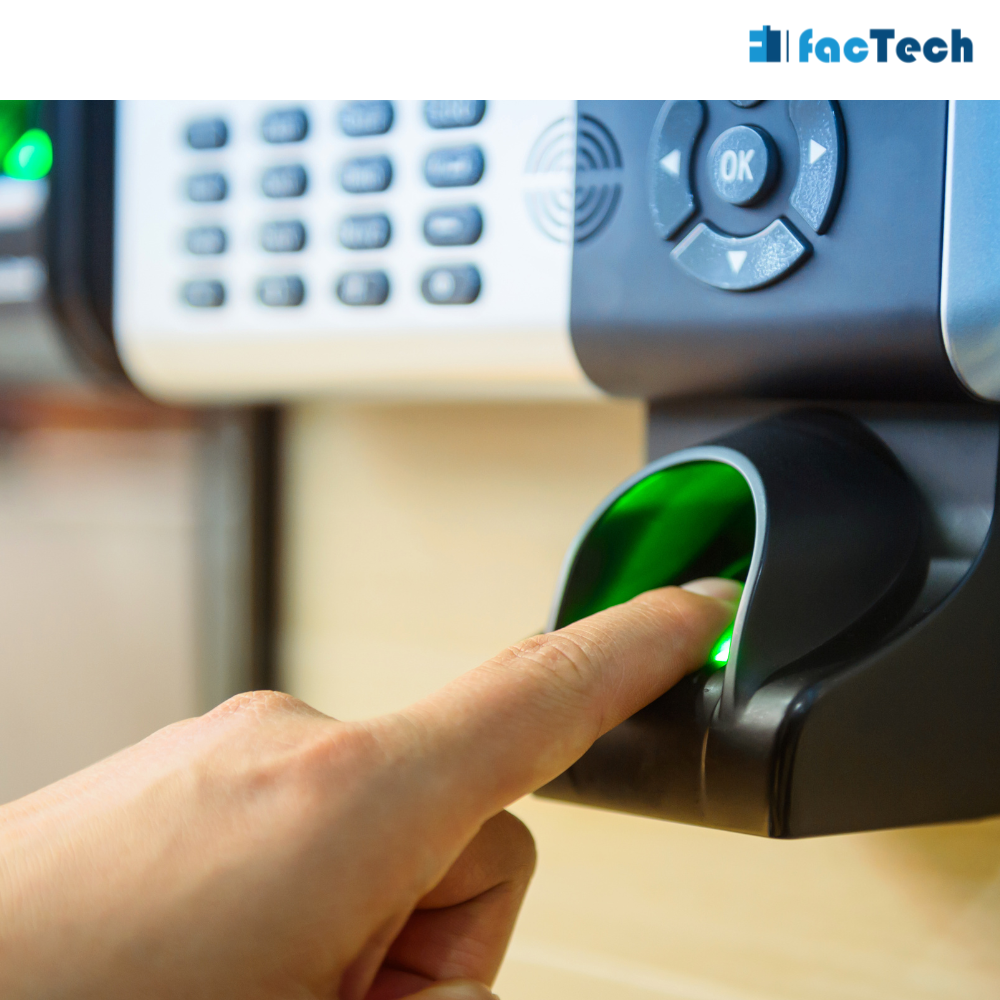
- Biometric Visitor Management: strong encryption keeps fingerprints and facial scans safe.
- Decentralized Data Storage: Records of visitors are stored on the blockchain to get rid of single-point weaknesses.
- Privacy as a Feature: Businesses will start to use privacy to set themselves out from the competitors.
- Integration with Access Control: Smart ID badges connect visitor information to make sure that visitors may move about the building safely.
Also read: Benefits of Material Gate Pass Management System
The bottom line
In 2025, data privacy in visitor management systems will be required by law and by businesses. Companies that put privacy first will not only avoid fines, but they will also acquire the trust and confidence of their visitors, clients, and stakeholders. A cloud-based, privacy-first visitor management system may help businesses follow GDPR, HIPAA, DPDPA, and other global rules while also making the experience better for visitors.
Contact us to learn more about our services and obtain a free demo.
FAQs
Q: What is the main purpose of a contemporary Visitor Management System (VMS)?
A modern VMS goes beyond sign-in to generate strategic data for security and operational efficiency.
Q: How does a VMS help with responding to emergencies?
A VMS gives you a quick, accurate, and up-to-date list of everyone on site so you can start the evacuation straight away.
Q: What issues with rules does a VMS fix?
It ensures auditable GDPR and DPDPA compliance for companies.
Q: What does Factech VMS do with AI?
Factech VMS uses AI to keep an eye on privacy and look at how visitors move around in complicated ways.
Q: What does a VMS do to help plan a facility?
VMS data reveals how spaces are utilized, aiding facility managers in planning efficient expansions and reconfigurations.
Ready to Transform Your Facility Management?
See how Factech automates maintenance, assets, and compliance in one intelligent platform.
Let's Talk
Have questions about our AI-powered solutions? Our team is here to help you digitize your facility operations.